Semantic HTML5
Structure your content with semantic elements, accessible forms, and SEO-friendly markup. Build pages that are meaningful to both humans and machines.
Craft semantic HTML, fluid CSS layouts, and interactive JavaScript experiences. Every line of code is built with purpose and attention to detail.
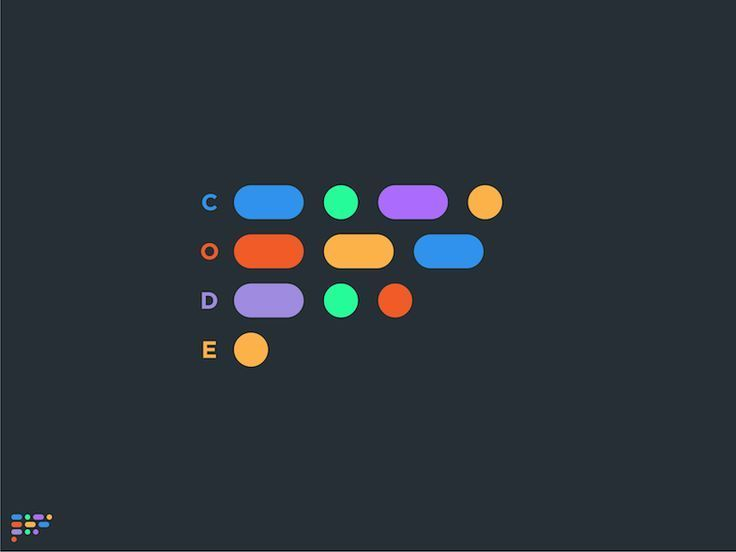
From semantic structure to fluid layouts and interactive experiences, every modern website is powered by the same trio of technologies. Master them and you can build anything.
Structure your content with semantic elements, accessible forms, and SEO-friendly markup. Build pages that are meaningful to both humans and machines.
Build responsive layouts with Flexbox, Grid, and Container Queries. Bring designs to life with animations, transitions, and CSS custom properties.
Add interactivity with vanilla JavaScript. From DOM manipulation to async fetch, write clean, maintainable code that runs everywhere.
Create experiences that adapt to any screen. Mobile-first, progressive enhancement, and performance optimization for every device and connection speed.
Professional developers rely on a set of essential tools and workflows that boost productivity, ensure quality, and make collaboration seamless.
Track changes, collaborate with others, and manage your codebase with Git. Branch, merge, and deploy with confidence.
Automate your workflow with bundlers and task runners. Compile, minify, and optimize your code for production in one command.
Manage dependencies effortlessly with npm or pnpm. Install, update, and share libraries across your projects with ease.
Accelerate your styling with utility-first frameworks. Build consistent, responsive designs without writing repetitive CSS.
Catch bugs early with automated tests and browser DevTools. Write unit tests, integration tests, and debug with confidence.
Optimize Core Web Vitals, lazy load assets, and reduce bundle sizes. Deliver fast, smooth experiences that users love.

"I love building for the web because it combines creativity with logic. Every project is a new challenge, and the satisfaction of seeing it come to life never gets old."
Thousands of developers, from beginners to seasoned professionals, build their skills with Podia. Discover how learning web development can open doors you never imagined.
From personal portfolios to complex web applications, see what developers like you are creating with modern web technologies every day.
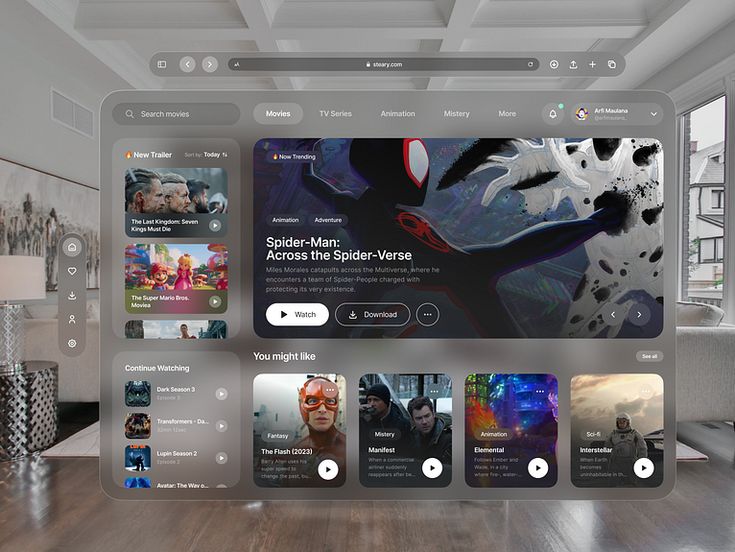
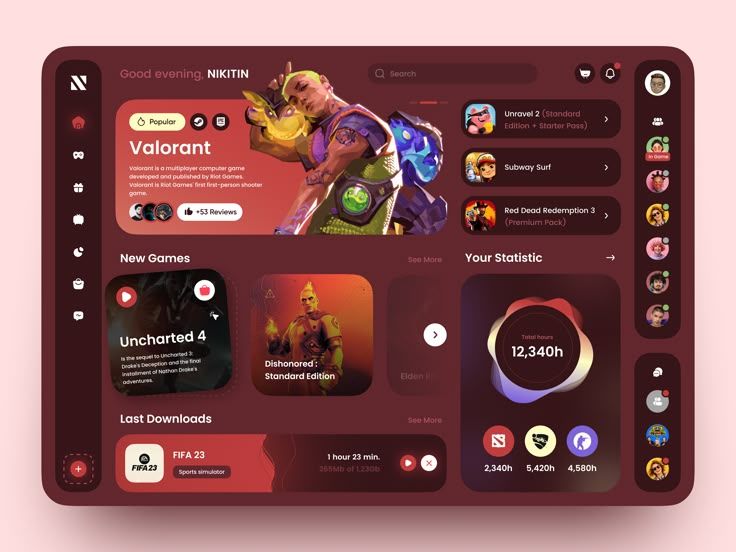
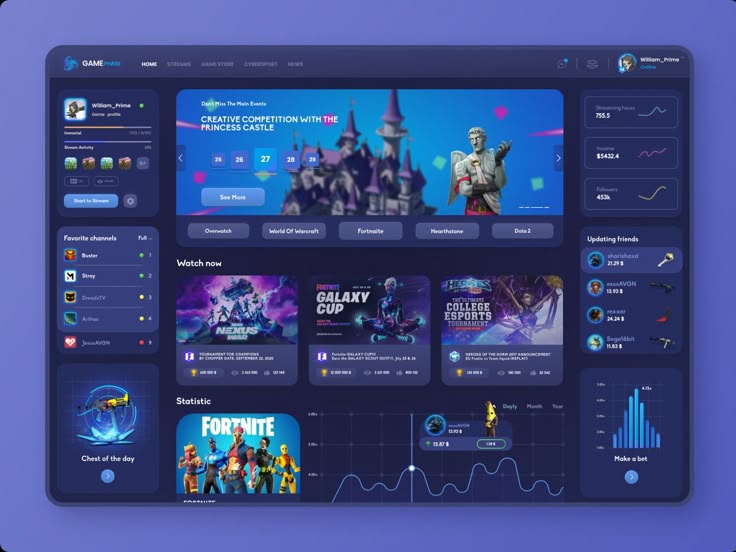
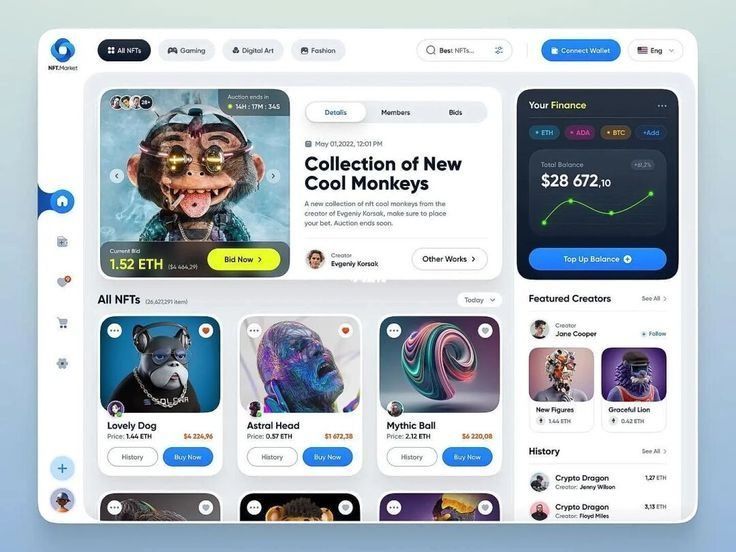
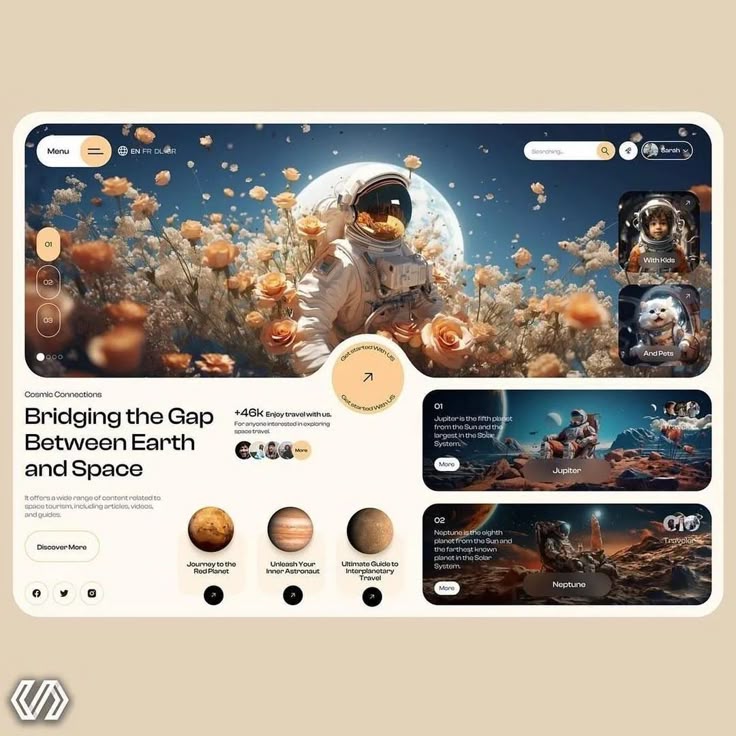

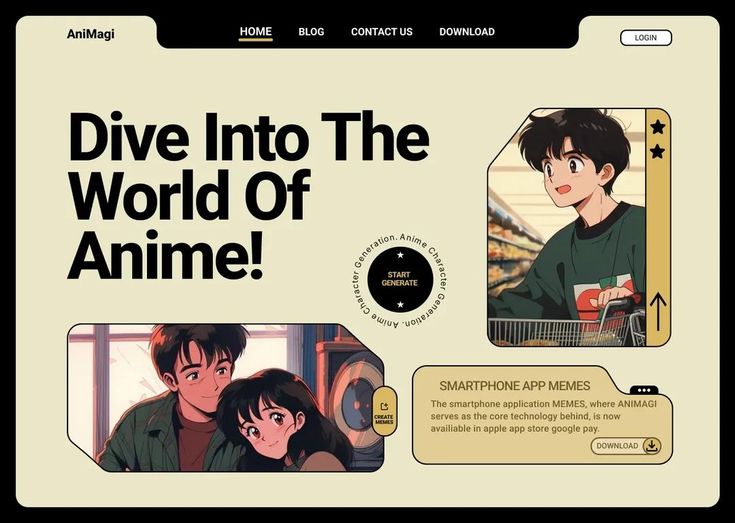
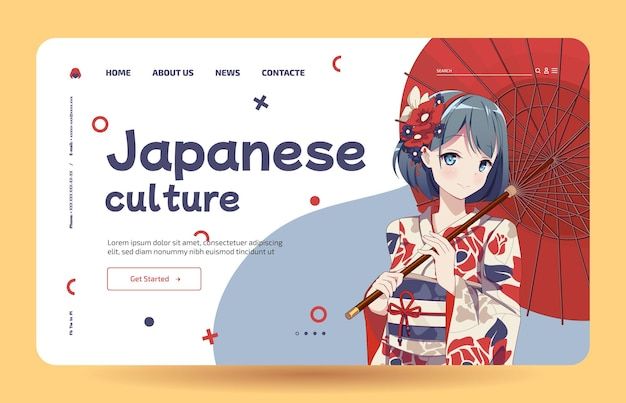
The best way to learn web development is by building real projects. Whether you're just starting or leveling up, there's always something new to discover.
Start with the fundamentals and progress to advanced topics. HTML, CSS, JavaScript — build a solid foundation one step at a time.
Apply what you learn by building actual websites and applications. Portfolio-ready projects that demonstrate your skills to future employers.
Connect with fellow developers, share knowledge, and get feedback on your code. Learn faster by growing together.
All you need is a computer, a text editor, and a web browser. Start with HTML for structure, CSS for styling, and JavaScript for interactivity. No prior experience required.
A simple one-page site can be built in a few hours once you know the basics. More complex projects like web applications can take weeks or months, depending on the features and your experience level.
Developers use code editors (VS Code), version control (Git), package managers (npm/pnpm), build tools (Vite), and browser DevTools. Each tool serves a specific purpose in the development workflow.
Not necessarily. While understanding design principles helps, many developers specialize in frontend or backend logic. CSS frameworks and design systems can help you create good-looking sites without a design background.
Follow developer blogs, join online communities, attend webinars, and practice regularly. The web evolves fast, but the fundamentals — HTML, CSS, and JavaScript — remain essential.